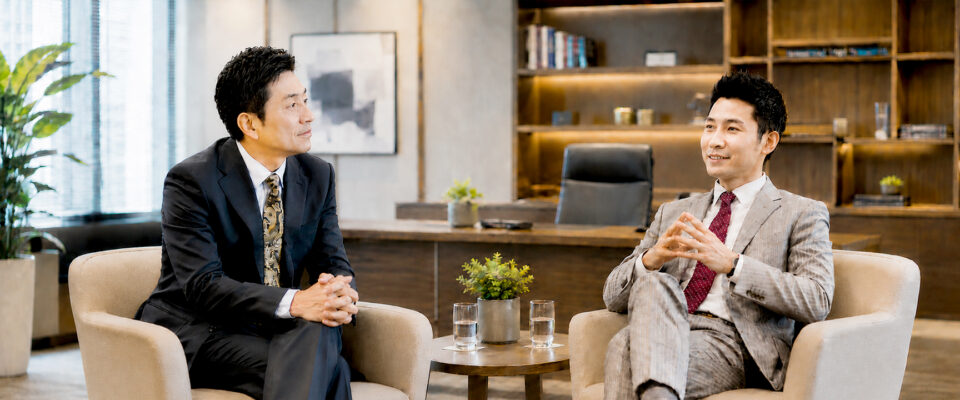
Self-Management Makes the Difference in Profitability.
The Foundation of Management 2.0 Is Frontline-Focused Digital Transformation
The hospitality industry is entering a period of major transformation. Labor shortages, growing inbound tourism demand, and increasingly intense competition driven by guest reviews are reshaping the market. Relying solely on traditional labor-intensive operations is no longer enough to meet the challenges and opportunities of the future hospitality industry.
MOTO SMART is leveraging AI, IoT, and automation technologies to develop Management 2.0, a platform designed to support the era of self-management. In this interview, we spoke with Noriaki Kobayashi, Development Department / DX Chief Manager, about the technology and innovation behind transforming hospitality operations.
Introducing a New Approach to Hospitality Management: The Co-Host Model
― Could you explain how MOTO SMART's “Co-Host” system works?
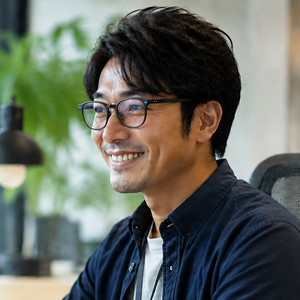
Noriaki
Simply put, a Co-Host is the owner's on-the-ground operational partner. MOTO SMART works with a network of Co-Hosts across Japan. By assigning dedicated local Co-Hosts near each vacation rental, inn, or hotel, we create a system that allows properties to operate smoothly without relying on traditional large-scale management companies.
― When people hear “self-management,” they often assume it means doing everything themselves.
Noriaki
That's a common perception. However, Management 2.0 is different. Owners remain at the center of operations while leveraging Co-Hosts and DX solutions only where they are truly needed. This approach makes it possible to achieve both greater control and greater efficiency at the same time.
― What exactly is the role of a Co-Host?
Noriaki
Rather than outsourcing everything to a management company, owners stay involved in and understand their operations while receiving support only where it is needed. This approach can lead to higher profitability, better review ratings, greater operational flexibility, and faster decision-making and continuous improvement.
― What do you believe is the most important aspect of hospitality operations?
Noriaki
Without a doubt, cleaning quality is one of the most important factors. It has a direct impact on guest reviews. With MOTO SMART, owners can either arrange cleaning services themselves or have a Co-Host coordinate cleaning on their behalf.
― Does the Co-Host also handle quality checks and inspections?
Noriaki
Yes. The role goes beyond simply cleaning the property. Co-Hosts also perform post-cleaning inspections and quality checks. They carefully verify details such as leftover trash, stray hair, missing amenities, odors, and the condition of bathrooms and water facilities. This level of attention to detail plays a key role in improving guest satisfaction and overall review performance.
― It sounds like that would have a significant impact on improving guest reviews as well.
Noriaki
Absolutely. The impact can be significant. In the hospitality industry, reviews have a direct influence on revenue. In fact, we are seeing more and more cases where switching to Management 2.0 has resulted in both higher review scores and improved profitability.
The Future of Hospitality, Powered by AI and IoT

― What specific technologies have you implemented?
Noriaki
Currently, we have implemented technologies such as smart locks, remote check-in systems, AI-powered guest messaging, IoT monitoring systems, multilingual guest guides, and automated operational workflows. Tasks that once required significant manual effort are now being streamlined and optimized through digital transformation (DX), allowing operations to run more efficiently and effectively.
― So, would it be fair to describe this as an “unmanned operation” model?
Noriaki
It's not simply about creating an unmanned operation. What we are really aiming for is an environment where people can focus on the areas where human involvement truly matters. For example, by using AI to handle routine guest inquiries, staff can spend more time on higher-value activities such as improving reviews and delivering better guest support. As a result, overall service quality improves rather than declines.
Self-Management Makes the Difference in Profitability.
― What changes have you actually seen since implementing Management 2.0?
Noriaki
The impact has been significant. In fact, there have been cases where owners transitioned from outsourced management to self-management and more than doubled their profits.
― More than doubled?
Noriaki
Yes, that's correct. The reason is that several key factors improve at the same time, including lower management fees, better review ratings, higher occupancy rates, a greater share of direct bookings, and faster operational decision-making. Among these, review improvement is particularly important. In the hospitality industry, reviews have a direct impact on bookings and revenue. Because self-management allows owners to identify and address operational issues more quickly, improvements can be implemented faster—ultimately leading to stronger profitability.
Experience Management 2.0—Beyond Traditional Property Management. Turn Vacancies into Profit.
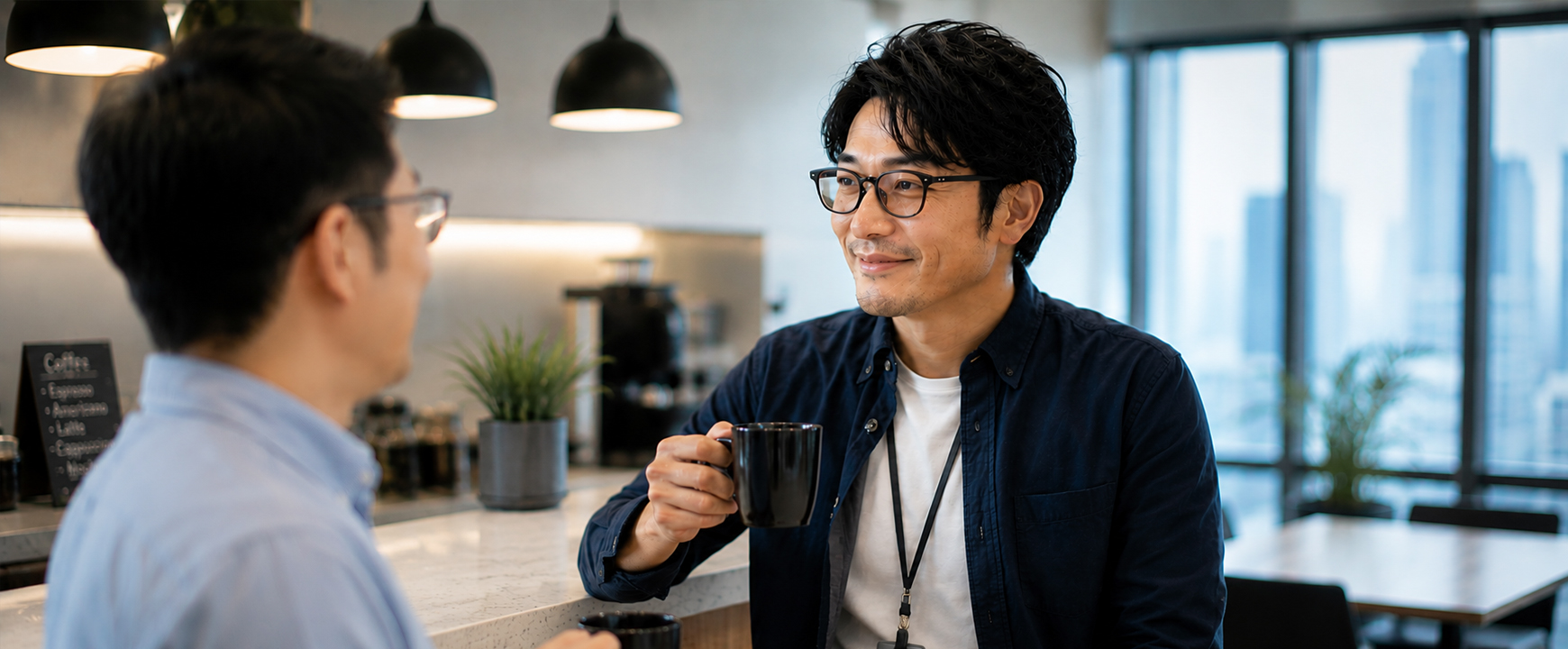
24/7 On-Site Support That Frees Owners from Operational Burdens.
― What is the biggest concern that property owners typically have?
Noriaki
The biggest concern is usually handling unexpected issues and emergencies.
Common examples include late-night guest inquiries, lock-related problems, water leaks, and noise complaints.
In the traditional model, whenever these issues occurred, owners were often expected to handle them personally.
― That sounds incredibly demanding.
Noriaki
That's true.
However, MOTO SMART's Co-Hosts can provide 24/7 on-site response and support when needed.
As a result, owners are no longer tied to on-site operations.
Whether they are traveling or away on business, they can manage their properties with confidence and peace of mind.
― So self-management doesn't mean giving up your freedom, does it?
Noriaki
Actually, we see it the other way around. We believe that self-management is about gaining more freedom, not less. By having Co-Hosts support on-site operations, owners are freed from many of the time-consuming responsibilities of day-to-day management. And when unexpected situations arise, there is a reliable support structure in place to protect and maintain operations.
― Are there any other responsibilities that Co-Hosts handle?
Noriaki
Supply and inventory management is another area where we provide support. This includes tasks such as replenishing consumables, managing guest amenities, purchasing supplies, checking inventory levels, and conducting on-site inspections.
― Those are very practical, hands-on operational tasks.
Noriaki
In on-site operations, small continuous efforts and improvements are extremely important. That's why support from an on-the-ground perspective is essential.
A 24/7 Call Center That Protects Owners’ Time
― What is the biggest concern that property owners typically have?
Noriaki
One of the biggest challenges is guest communication and support. This includes handling foreign-language inquiries, late-night messages, and unexpected issues or emergencies. Expecting owners to manage all of these responsibilities themselves can place a significant burden on both their time and energy.
― I imagine dealing with international guests can be particularly challenging.
Noriaki
Exactly. That's why MOTO SMART operates a 24/7 call center in coordination with our Co-Host network.For example, our team can provide round-the-clock support for:Language and communication barriers、Late-night guest inquiries、Lock and access issues、Wi-Fi support requests、Check-in guidance and assistance,By handling these situations through our call center, we help ensure that guests receive prompt support while reducing the operational burden on property owners.
― That sounds like it would significantly reduce the burden on property owners.
Noriaki
The difference is substantial. Owners gain the freedom to make better use of their time instead of being tied to daily operational tasks. More importantly, they can operate their properties through a self-management model while still receiving a level of support comparable to that of a traditional management company.
Stay-Guide: Smarter Contactless Operations for Modern Hospitality
― Could you tell us more about your proprietary service, Stay-Guide?
Noriaki
Stay-Guide is our proprietary multilingual guest guide platform, developed and operated by MOTO SMART. It allows guests to access important information directly from their smartphones in multiple languages, including check-in instructions, Wi-Fi details, waste disposal guidelines, local area recommendations, and property usage information. By providing clear and accessible guidance, Stay-Guide helps create a smoother guest experience while reducing the operational workload for property owners and staff.
― So it plays an important role in enabling contactless operations, doesn't it?
Noriaki
Exactly. Even without face-to-face interaction, we can ensure that guests receive all the information they need clearly and efficiently. As a result, Stay-Guide contributes to greater operational efficiency, fewer guest inquiries, faster and smoother check-ins, and stronger multilingual support capabilities.
24/7 Guest Support Through Digital Signage and VoIP
― Are there any other areas where you are leveraging digital transformation (DX)?
Noriaki
Yes. We also make extensive use of digital signage solutions and VoIP (Voice over Internet Protocol) phone systems as part of our digital transformation strategy.
―Is it something that is installed inside the accommodation facility?
Noriaki
That's right. For example, we have implemented a system that allows guests to connect directly to our support center through VoIP phones installed within the property. This means guests can reach our call center 24 hours a day, 7 days a week, ensuring that assistance is always available whenever they need it.
― That certainly adds a sense of security, even in a contactless or unmanned operation.
Noriaki
Exactly. We don't believe that “unmanned” should mean “uncertain” or “uncomfortable.” Our goal is to create an operation where guests can feel safe, supported, and confident—even in a fully contactless environment.
Beyond the Traditional Management Company Experience
― Finally, what do you see as the greatest advantage of Management 2.0?
Noriaki
We believe the future is not about outsourcing everything to a management company. Instead, it is about receiving professional support only where and when it is needed. Owners can utilize MOTO SMART's Co-Host network during busy periods or for specific operational needs, while maintaining control over their business. By combining digital transformation (DX) with on-the-ground support, it becomes possible to achieve a level of efficiency, flexibility, and operational performance that goes beyond what traditional management companies can offer.
― So the idea isn't to eliminate management companies, but to give owners more freedom and flexibility, correct?
Noriaki
Exactly.
More freedom. More intelligence. More profitable hospitality operations.
MOTO SMART aims to transform the future of the hospitality industry through Management 2.0.